
Weeping Women (2007) is a site-specific installation realized within expressing.etosha, an art project initiated and curated by Imke Rust as part of the centenary commemorations of the Etosha National Park.
The work draws on a San oral myth in which the Etosha salt pan is formed from a sea of tears shed by women mourning the violent loss of their men and children after strangers invaded their land. The myth speaks of dispossession, massacre, and irreversible rupture, embedding the landscape itself as an archive of grief and survival. By invoking this narrative, Weeping Women situates Etosha not as a neutral or pristine “natural” space, but as a site marked by colonial violence, erasure, and ancestral memory.
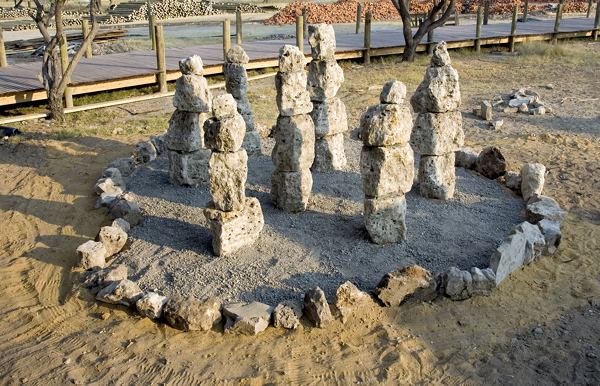
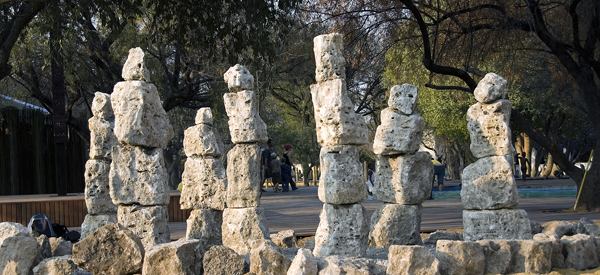
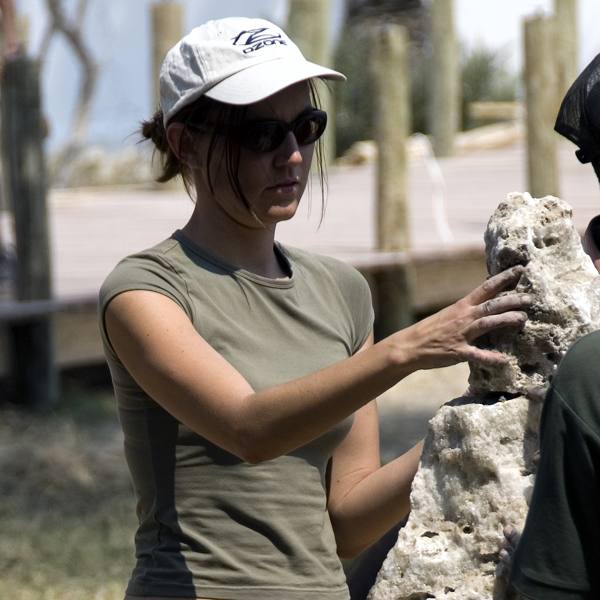
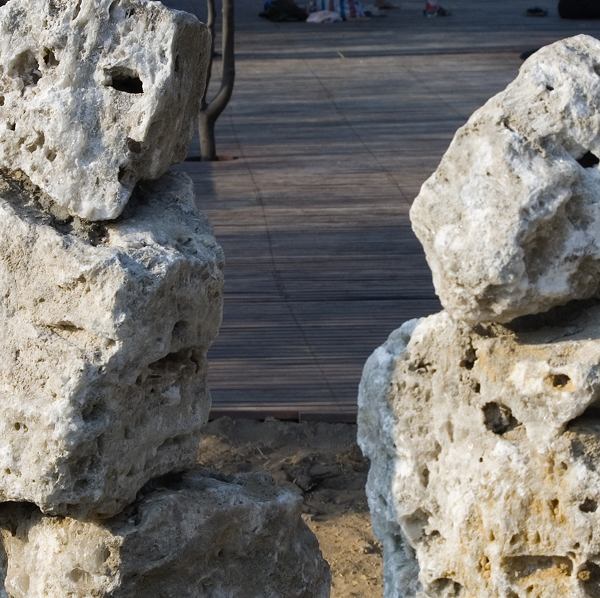
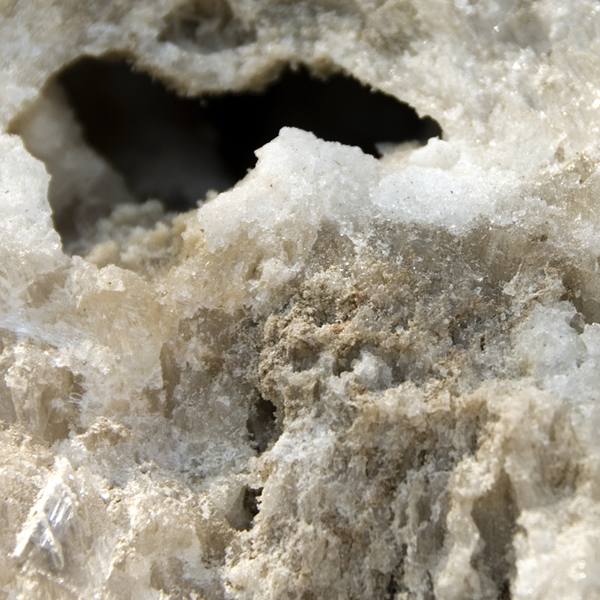
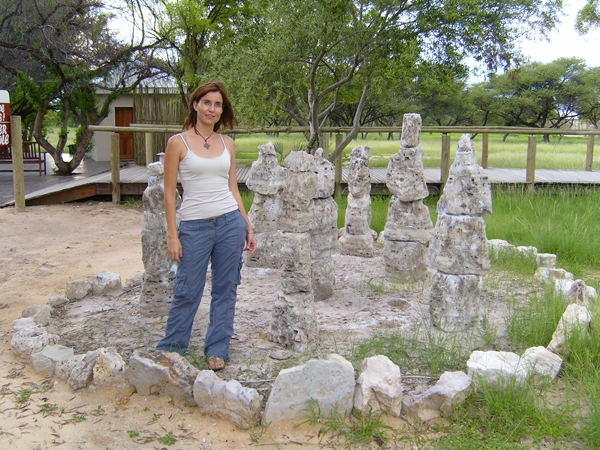
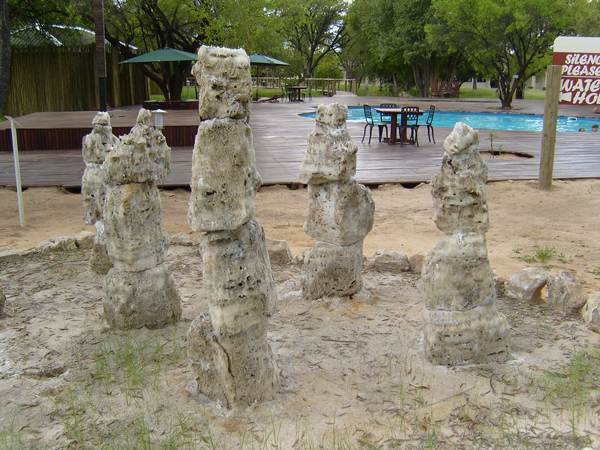
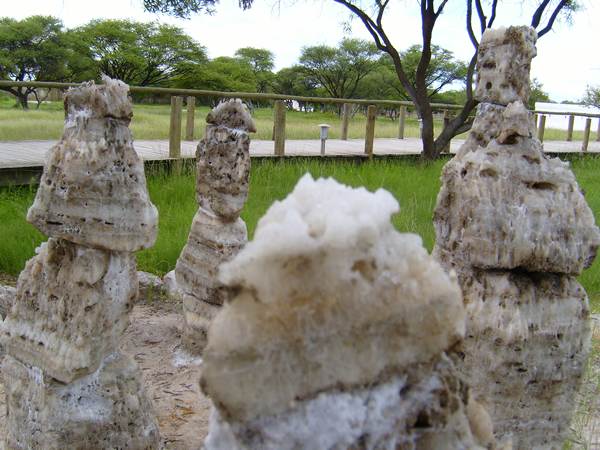
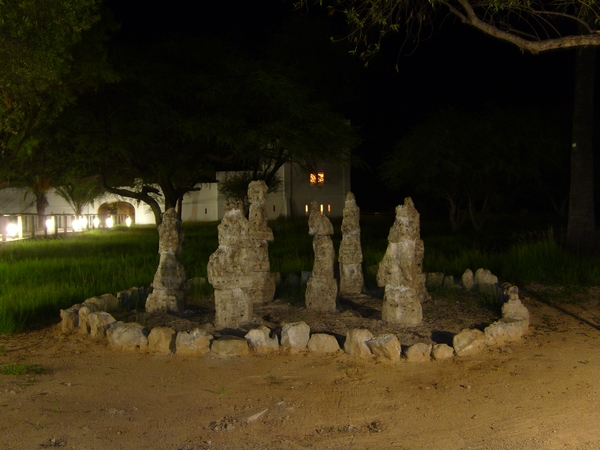
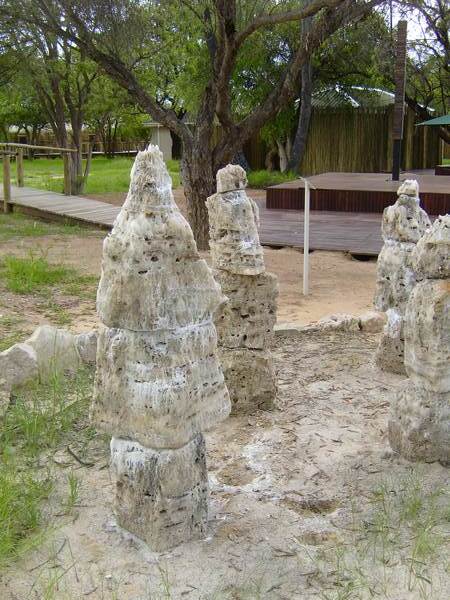
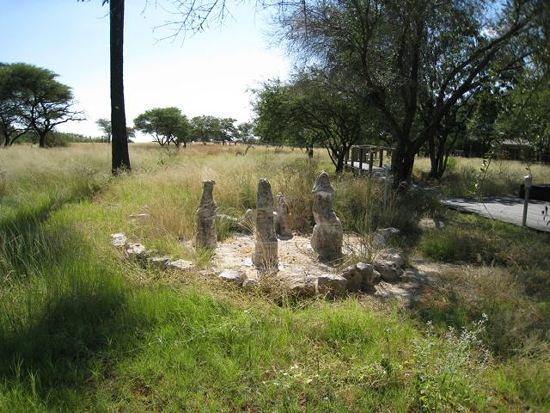
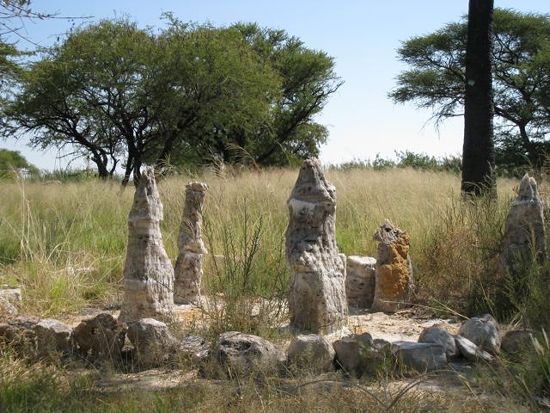
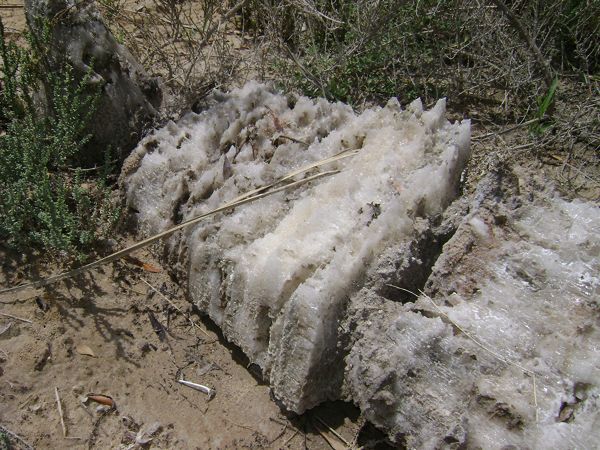
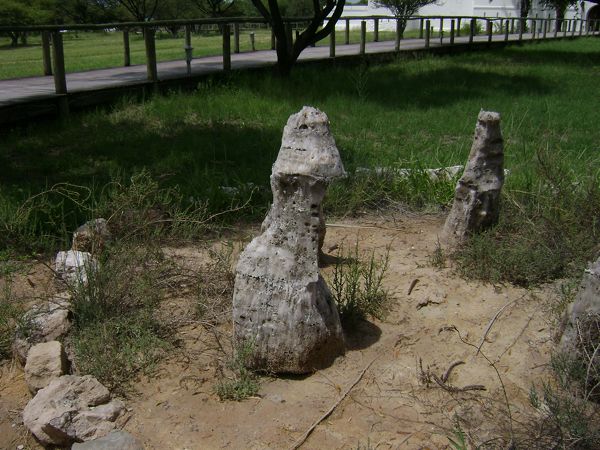
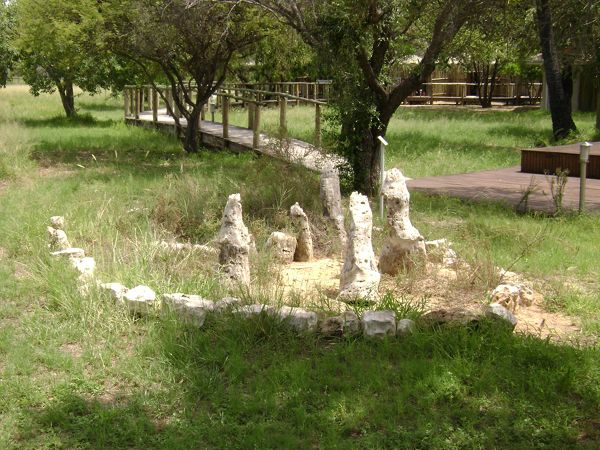
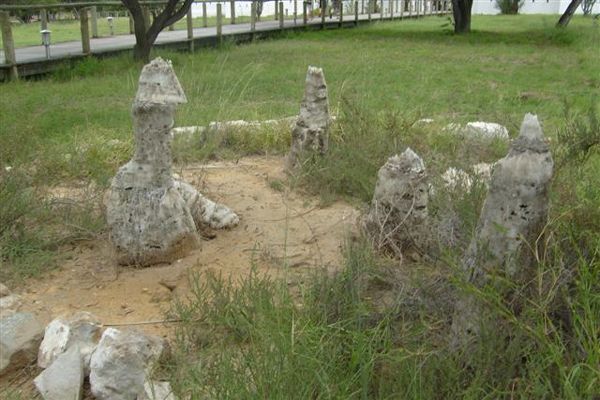
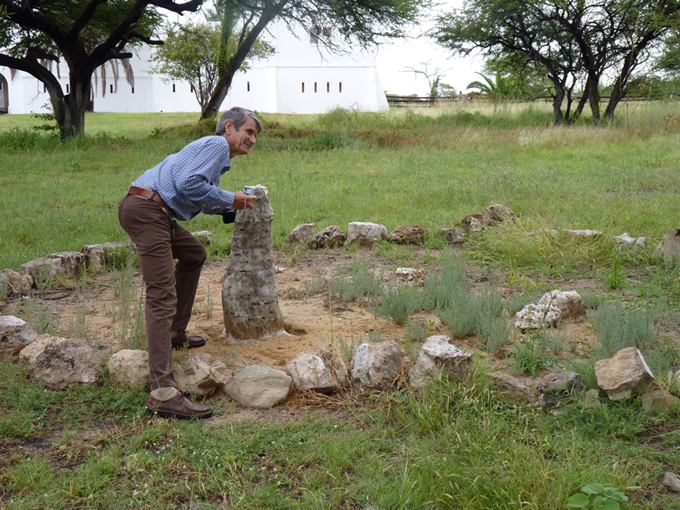
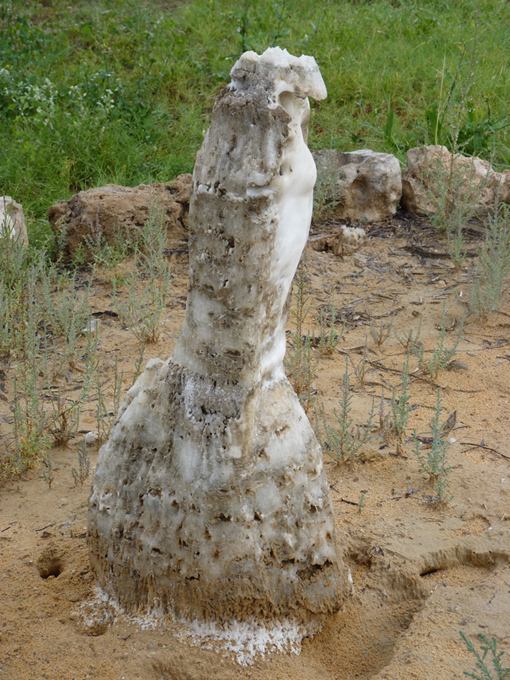
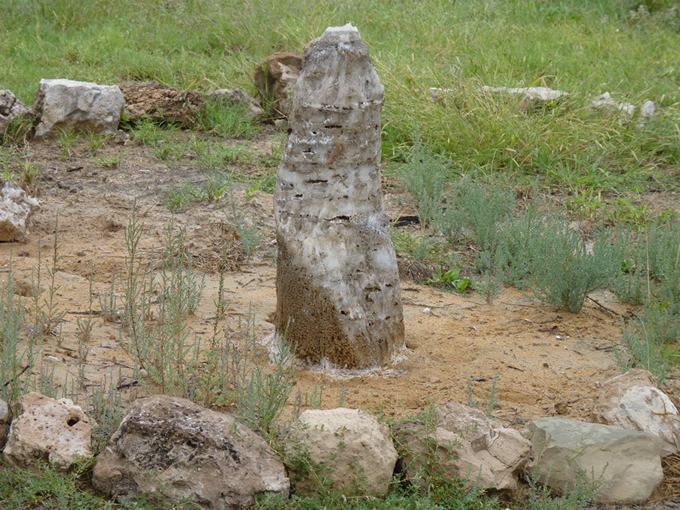
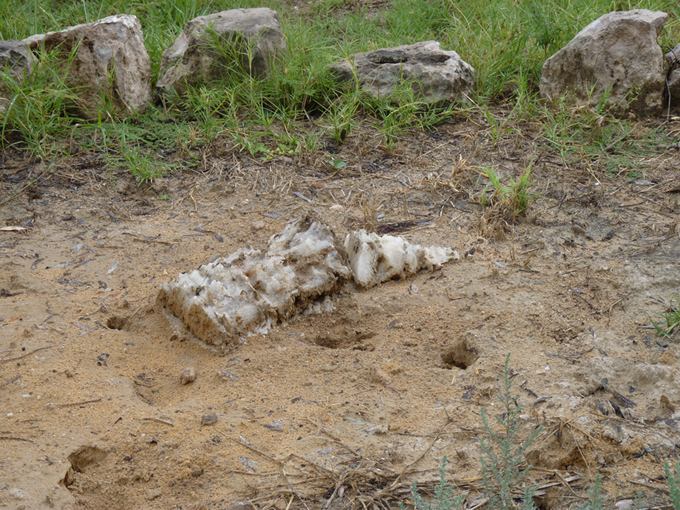
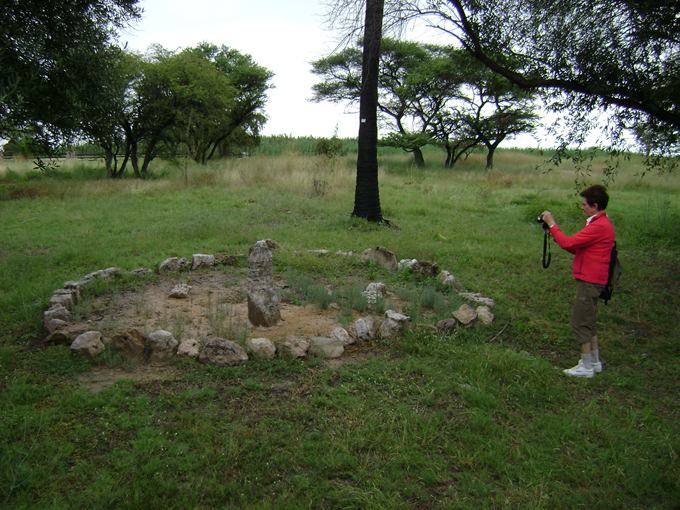
Seven human-scale, anthropomorphic figures were formed from compressed rock salt and installed directly in the landscape. Salt and water—primary components of tears—function here as both material and metaphor. They reference the fundamental conditions of life while simultaneously evoking loss, trauma, and the precarious balance between sustenance and destruction. With the onset of rain, the figures begin to dissolve, reactivating the act of weeping: water brings life, yet the high salt concentration renders the surrounding soil temporarily infertile. Erosion, leaching, and eventual disappearance are not side effects but integral to the work’s conception.
The gradual dissolution of the salt bodies foregrounds process, temporality, and unmaking. Rather than aspiring to permanence, the installation resists monumentality and the colonial impulse to fix meaning, memory, or form. The figures slowly return to the landscape, allowing grief to circulate, transform, and ultimately disperse. This refusal of endurance challenges dominant Western sculptural traditions and aligns the work with cyclical, relational understandings of time and matter rooted in Indigenous cosmologies.
Salt carries layered cultural, spiritual, and political meanings: it is associated with preservation, purification, healing, hospitality, and knowledge, yet also with extraction, control, and economic power. In Weeping Women, these ambivalences resonate with the history of Etosha itself—simultaneously protected national park, ancestral land, and contested colonial construct.
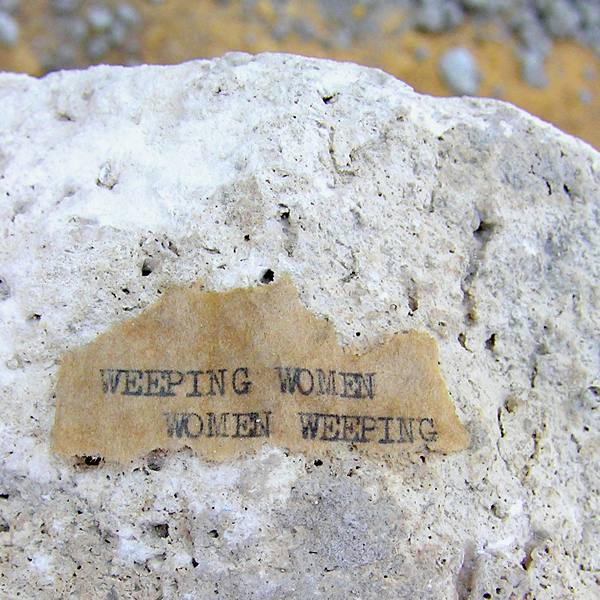
The work’s transformation was documented over time. The accompanying images trace the gradual erosion and disappearance of the figures, emphasizing dissolution as a form of agency: an embodied refusal to remain fixed in historical trauma, while insisting that the land continues to remember.
To read more about the project, please click here.
A Copy of the accompanying catalogue can be downloaded here.















 Imke Rust